



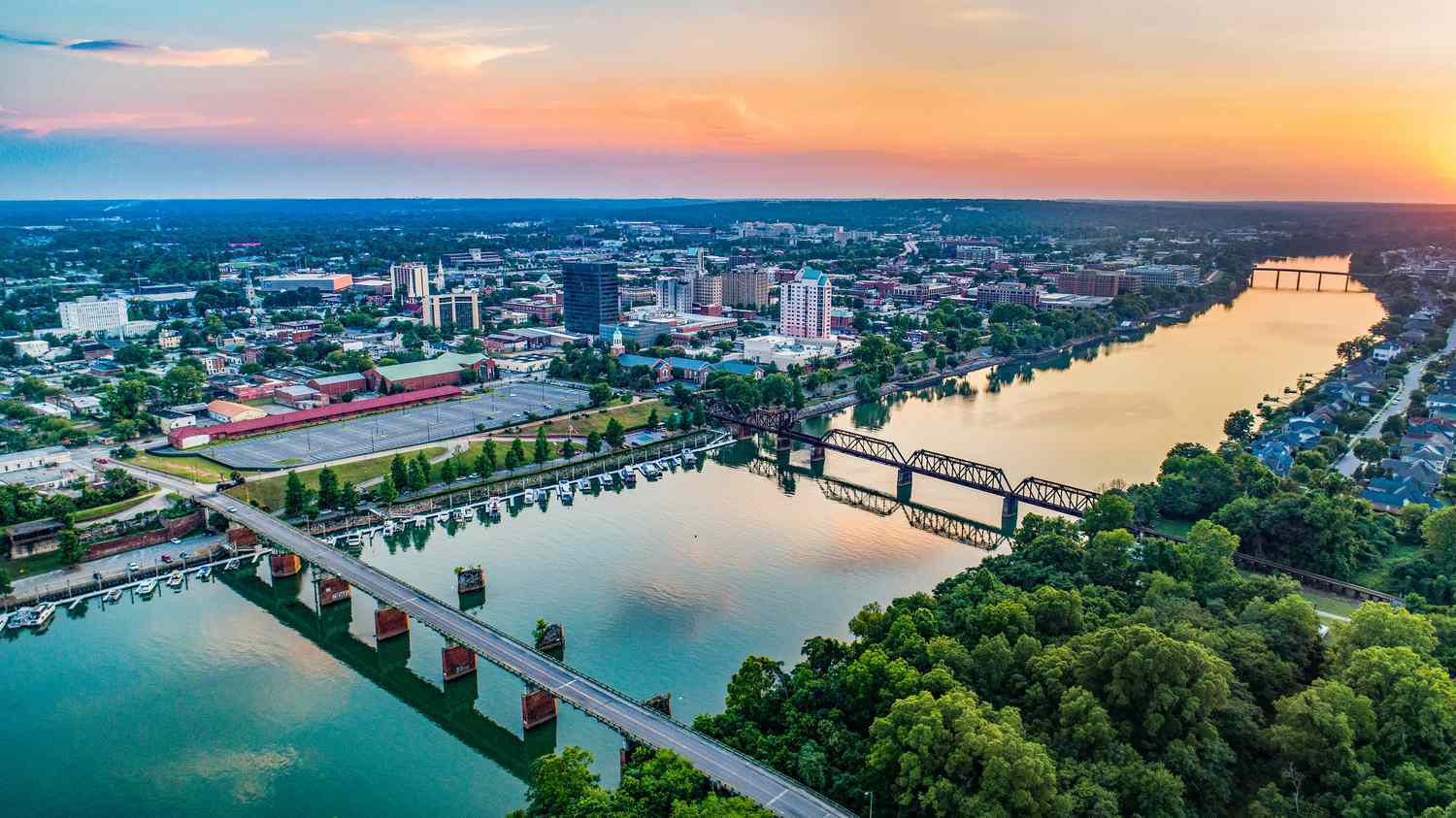
Augusta, Georgia offers a unique blend of southern charm, rich history, and modern amenities that attract families, retirees, and young professionals. Located along the Savannah River, this city combines small-town hospitality with big-city opportunities. If you're considering a move to Augusta, you'll find affordable housing, mild winters, and a strong sense of community that makes it stand out in the Southeast.
Key Takeaways
- Augusta has a lower cost of living compared to most major U.S. cities, with median home prices around $200,000
- The climate features hot summers and mild winters, with temperatures rarely dropping below freezing
- Fort Gordon and Augusta University Medical Center provide stable employment opportunities
- The city hosts The Masters golf tournament each April, bringing international attention
- Downtown Augusta has seen significant revitalization with new restaurants, shops, and entertainment venues
- Traffic is manageable compared to larger Georgia cities like Atlanta or Savannah
- Public schools vary in quality, so research individual schools before choosing a neighborhood
Cost of Living and Housing Market
Living in Augusta GA means your dollar stretches further than in most southeastern cities. The overall cost of living sits about 15% below the national average. Housing costs make up the biggest savings, with median home prices hovering around $200,000. You can find spacious single-family homes in established neighborhoods for prices that would only buy a small condo in cities like Atlanta or Charlotte.
Rent prices also stay reasonable. A two-bedroom apartment typically costs between $900 and $1,200 per month, depending on the area. Neighborhoods like Evans, Martinez, and Grovetown offer newer construction and good schools, while downtown areas provide affordable options for those who want walkable access to restaurants and shops.
Property Taxes and Utilities
Property taxes in Richmond County average about 1% of your home's assessed value. Columbia County, which includes Evans and Martinez, has slightly higher rates but also tends to have better-rated schools. Utility costs run close to the national average, with most homeowners paying $150 to $200 per month for electricity during summer months when air conditioning runs constantly.
Climate and Weather Patterns
Augusta experiences a humid subtropical climate with four distinct seasons. Summers get hot and humid, with temperatures regularly reaching the low to mid-90s from June through August. The humidity can make it feel even hotter, so most residents rely heavily on air conditioning during these months.
Winters stay mild, with average highs in the 50s and 60s. Snow is rare, occurring only once every few years, and ice storms happen occasionally. Spring and fall bring the most pleasant weather, with comfortable temperatures and lower humidity. These seasons are perfect for enjoying Augusta's outdoor spaces and golf courses.
Rainfall and Severe Weather
The area receives about 45 inches of rain annually, spread fairly evenly throughout the year. Summer thunderstorms are common but usually pass quickly. Augusta sits far enough inland that hurricanes rarely cause major damage, though remnants of tropical systems can bring heavy rain and wind. Tornadoes are uncommon but not unheard of, so having a weather alert system makes sense.
Employment and Economic Opportunities
The local economy centers around several major employers that provide stability. Fort Gordon serves as a U.S. Army installation and is expanding as the new home of the U.S. Army Cyber Center of Excellence. This military presence brings thousands of jobs and supports numerous defense contractors.
Augusta University Medical Center operates as the region's largest healthcare employer and medical education facility. The hospital system continues to grow, creating opportunities for healthcare professionals at all levels. Other significant employers include Club Car (golf cart manufacturer), Textron Systems, and the Savannah River Site.
Job Market and Income
The unemployment rate in Augusta typically tracks close to the national average. The median household income sits around $50,000, which goes further here than in cities with higher living costs. Technology and cybersecurity jobs are growing due to Fort Gordon's expansion, while healthcare and education remain consistently strong sectors.
Things to Do and Quality of Life
Living in Augusta GA means you're never far from something interesting. The city's most famous event, The Masters golf tournament, takes place each April at Augusta National Golf Club. While getting tickets is notoriously difficult, the tournament brings energy to the entire city and showcases Augusta to the world.
The Riverwalk along the Savannah River offers a scenic place to walk, bike, or simply enjoy the water. Downtown Augusta has transformed in recent years, with new breweries, restaurants, and the Augusta Convention Center drawing visitors and residents alike. The Imperial Theatre hosts concerts and performances throughout the year.
Parks and Recreation
Augusta offers numerous parks and green spaces. Phinizy Swamp Nature Park provides trails and wildlife viewing opportunities across 1,100 acres. Augusta Canal National Heritage Area offers kayaking and historical tours. For golf enthusiasts beyond The Masters, the area has dozens of public courses.
Schools and Education
School quality varies significantly across the Augusta area. Columbia County schools, serving Evans, Martinez, and Grovetown, consistently receive higher ratings than Richmond County schools. Many families choose to live in Columbia County specifically for the schools, even if they work in Augusta proper.
Richmond County has made improvements and offers several magnet schools and programs that perform well. Research individual schools rather than relying on district-wide ratings, as performance can vary considerably from school to school.
Higher Education Options
Augusta University serves as the area's primary institution of higher learning, offering undergraduate and graduate programs. The university is particularly known for its medical school and health sciences programs. Augusta Technical College provides career training and associate degrees in various fields.
Frequently Asked Questions
Is Augusta GA a safe place to live?
Safety varies by neighborhood in Augusta. Areas like Evans, Martinez, and parts of west Augusta have low crime rates and feel very safe. Some downtown and south Augusta neighborhoods have higher crime rates. Research specific areas and visit neighborhoods at different times of day before making a decision.
What are the best neighborhoods in Augusta?
Evans, Martinez, and Grovetown consistently rank as top choices for families due to good schools and newer housing. West Augusta offers established neighborhoods with mature trees and character homes. Downtown appeals to young professionals who want walkability and urban amenities.
How far is Augusta from the beach?
Augusta sits about 150 miles from both Hilton Head Island, South Carolina, and Tybee Island near Savannah. You can reach either beach in about two and a half to three hours by car, making weekend beach trips very doable.
Does Augusta have good healthcare facilities?
Yes, Augusta University Medical Center is a major regional medical facility offering specialized care and trauma services. The city also has several other hospitals and numerous medical practices, making healthcare access generally good.
What is the traffic like in Augusta?
Traffic is manageable compared to larger Georgia cities. Rush hour causes some congestion on major routes like Washington Road and I-20, but commute times rarely exceed 30 minutes. Most residents find getting around Augusta fairly easy.
Start Your Augusta Home Search Today
Living in Augusta GA offers an appealing combination of affordability, southern hospitality, and growing opportunities. Whether you're drawn by Fort Gordon's expansion, the lower cost of living, or the mild climate, Augusta has something to offer. The city provides the amenities you need without the stress and expense of larger metropolitan areas.
If you're ready to explore homes in Augusta or have questions about specific neighborhoods, The Gail Gingrey Team can help you find the perfect fit for your lifestyle and budget. Our local expertise and commitment to client service make your home search smooth and successful. Contact us today to start your journey to calling Augusta home.
 Main Blog